Showing posts with label Meat Free. Show all posts

5/30/12

Recipe: Buttermilk French Toast & Rubarb Compote

 
As we've definitely mentioned before, we're drowning in a sea of fresh eggs - along with all the other backyard chicken owners out there. But, of course, we're not complaining! There are a seemingly infinite number of recipes that use eggs by the coop-full, and we're having a blast experimenting.


Lucky for us, we also have a glut of fantastic local bakeries in the area. One of our favorites, and oldest, is the Daily Bread Bakery. They make a ton of fantastic things - black bottom cupcakes, homemade oreos, granola... not to mention, one of the best basic chocolate cakes ever. 

But our current obsession is their classic challah bread. This buttery challah, toasted with a spoonful of jam, makes an amazing breakfast all on its own. But add a few bright eggs and some tangy buttermilk, and you've got the fixin's for some kick-ass french toast! So the other morning we took out a loaf, cut a few thick slices, cracked some eggs, and started cooking. Because we also have too many rhubarb stalks (detecting a theme here?) we made a quick compote to spoon on top along with our favorite Old Field Farm Syrup. Sweet, simple, and delicious - and we used up four eggs!


Buttermilk French Toast

+ 1 1/2 cups well-shaken buttermilk
+ 4 large eggs
+ 3 tablespoons sugar
+ 1/4 teaspoon salt
+ 12 (1/2-inch-thick) slices challah (from a 1-pound loaf; not end slices) 
+ 4 1/2 tablespoons unsalted butter, divided 

1. Preheat oven to 200°F. 
2. Whisk together buttermilk, eggs, sugar, and salt in a bowl. Pour into a large 4-sided sheet pan, then add bread in 1 layer and soak, turning occasionally, until bread has absorbed all liquid but is not falling apart, about 20 minutes.
3. Heat 1 1/2 tablespoon butter in a 12-inch skillet over medium-high heat until foam subsides. Transfer 4 bread slices with a slotted spatula to skillet and cook, turning once, until slightly puffed and golden brown, about 3 minutes total. 
4. Transfer to a large shallow baking pan and keep warm in oven. Cook remaining bread in 2 batches, adding 1 1/2 tablespoon butter between batches.  

Rhubarb Compote

+ 4 cups 1/2-inch pieces fresh rhubarb
+ 1 1/2 cups sugar
+ 2 tablespoons fresh lemon juice

1. Simmer the ingredients in a small saucepan until the rhubarb is soft, about 15 minutes.

5/22/12

Recipe: Pasta Primavera

Living in the city, winter seems to transition into spring in the blink of an eye. One day there is slush on the trees and the next, branches sprout buds and curbside daffodils burst open. We used to wait impatiently until the first crates of fiddle-head ferns and bunches of ramps and asparagus showed up at the Union Square market - in stock for a few weeks and gone for another 48. Now, out in New Marlborough, the first signs of the season sprout up slowly around us - first with sightings of silvery alliums bordering swamps in the neighborhood, then with little fern coils pushing their way out of soil alongside the road on our evening walk, and then with the thin purple and green stalks bursting out of the dirt in our garden. It's an exciting way to experience our first spring back in the country, and infinitely more affordable.

To celebrate these early greens, we decided to make a true pasta primavera. Often, primavera is associated with mediocre red-sauce Italian restaurants serving soggy noodles covered with a heap of chopped vegetables - bell peppers, zucchini, yellow summer squash - found on the bottom shelf of a walk-in refrigerator. The problem is, these vegetables are neither the first of the season (prima) nor are they green (vera). But when it come's to seasonal produce - if you've got it, flaunt it!

In both our ramp and fiddle-head ferns posts, we mention how perfectly suited they are to a bed of pasta. We used that as a jumping off point for this recipe but it could be easily adapted to any of the other wonderful spring greens: garlic scapes, spring onions, pea shoots, nettles, dandelion greens, and arugula. Because we are lazy, we stuck with what was at hand in our own backyard, but that doesn't mean you should.


Pasta Primavera

+ 1 lb of linguine
+ 1 bunch of asparagus, ends trimmed off and cut into one-inch lengths
+ 1 pint of fiddle-head ferns, washed – or substitute with any of the greens listed above
+ 1 bunch of ramps, bulbs trimmed removed from the greens – or, try garlic scapes!
+ ¼ cup of bread crumbs
+ 3 tbsp. of olive oil plus ¼ cup
+ 1/3 cup grated pecorino
+ salt and pepper to taste

1. Bring a large pot of salted water to boil.
2. Pour 3 tbsp of olive oil in a medium pan and turn to medium-high heat.
3. When the olive oil is shimmering and just about to smoke add the ramp bulbs.
4. After a couple of minutes, throw in the fiddle-heads and asparagus.
5. Boil linguine according the directions on the package.
6. When pasta is is done, drain and add to a bowl with the ramp greens (and/or arugula/pea shoots), breadcrumbs, and pecorino. Toss thoroughly and finish with a little more olive oil and salt.

Serve immediately

1/25/12

Recipe: Southern Style Mac 'n' Cheese

We LOVE macaroni and cheese - and really, who doesn’t? The way we see it there are two styles of creamy, pasta-y goodness. There's the French style with a thick, mellow bechamel base and a mix of velvety cheeses and then there's the classic Southern style - bright and sharp, made with cheddar and traditional elbows. Generally we refuse to take sides, but the other night we were really looking for some down home cookin'. 

 
A few years ago we visited Nashville and, predictably, spent most of our time in "meat and 3" spots (in which mac 'n' cheese basically counts as a vegetable) where we had a bit of a culinary revelation. What really set apart their version of the dish was how deeply tangy it was, a result of finely grated onion and sour cream. To replicate it, we turned to one of our favorite Southern cookbooks, The Gift of Southern Cooking, bought some sharp cheddar from Beecher’s, macaroni from Eataly, and one of every dairy product Ronnybrook produces. To go with the mac we cooked up some Flying Pigs pork chops and put together a salad - to add some color and "reduce" our risk of heart attack.

Southern Style Mac 'n' Cheese
Adapted from The Gift of Southern Cooking by Edna Lewis and Scott Peacock

+ 8 oz. macaroni
+ 12 oz sharp cheddar (6 oz cubes, 6 oz grated)
+ 2 tbsp, plus 1 tsp flour
+ 2/3 cup sour cream
+ 2 eggs, lightly beaten
+ 1/3 cup grated onion
+ 1 1/2 cups half and half
+ 1 1/2 cups heavy cream
+ 1 ½ tsp salt
+ 1 ½ tsp dry mustard
+ ¼ tsp pepper
+ a pinch cayenne
+ ¼ tsp of freshly grated nutmeg
+ 1 tsp Worcestershire sauce

1. Cook the macaroni in large a pot until just tender (a minute or two before the box says). Drain well and transfer to a buttered 9 x 13 baking dish.
2. Mix in the cubed cheddar and preheat oven to 350.
3. Mix dry ingredients in a bowl. Add sour-cream and the eggs, whisk until well blended.
4. Whisk in onion, cream, half and half, and Worcestershire until blended.
5. Pour mix over the macaroni and sprinkle top with grated cheese.
6. Bake for about 35 minutes, or until the custard sets but still jiggles. Finish under broiler for a minute to brown the top. Let cool for ten minutes.

Serves 6 (with leftovers!)

1/9/12

Sunday Brunch: Pappa Al Pomodoro

We've got lots of plans for The Butcher & The Baker in 2012, but perhaps closest to our hearts is  a growing focus on collaboration. Not only are three, four or five heads better than two, but we stand to learn so much from our friends' tastes, voices and skills. This Sunday, in a first attempt, our good friend Mark Silver spent the afternoon in our kitchen, cooking us a beautiful and hearty brunch. Like us, Mark is a seriously dedicated home cook, who loves clean, bright flavors and does most of his shopping at green markets. And unlike us, Mark is a vegetarian. But as carnivorous (and cynical) as we are, Mark has proven time and time again that a meal doesn't need meat to be colorful, filling, and flavorful. 

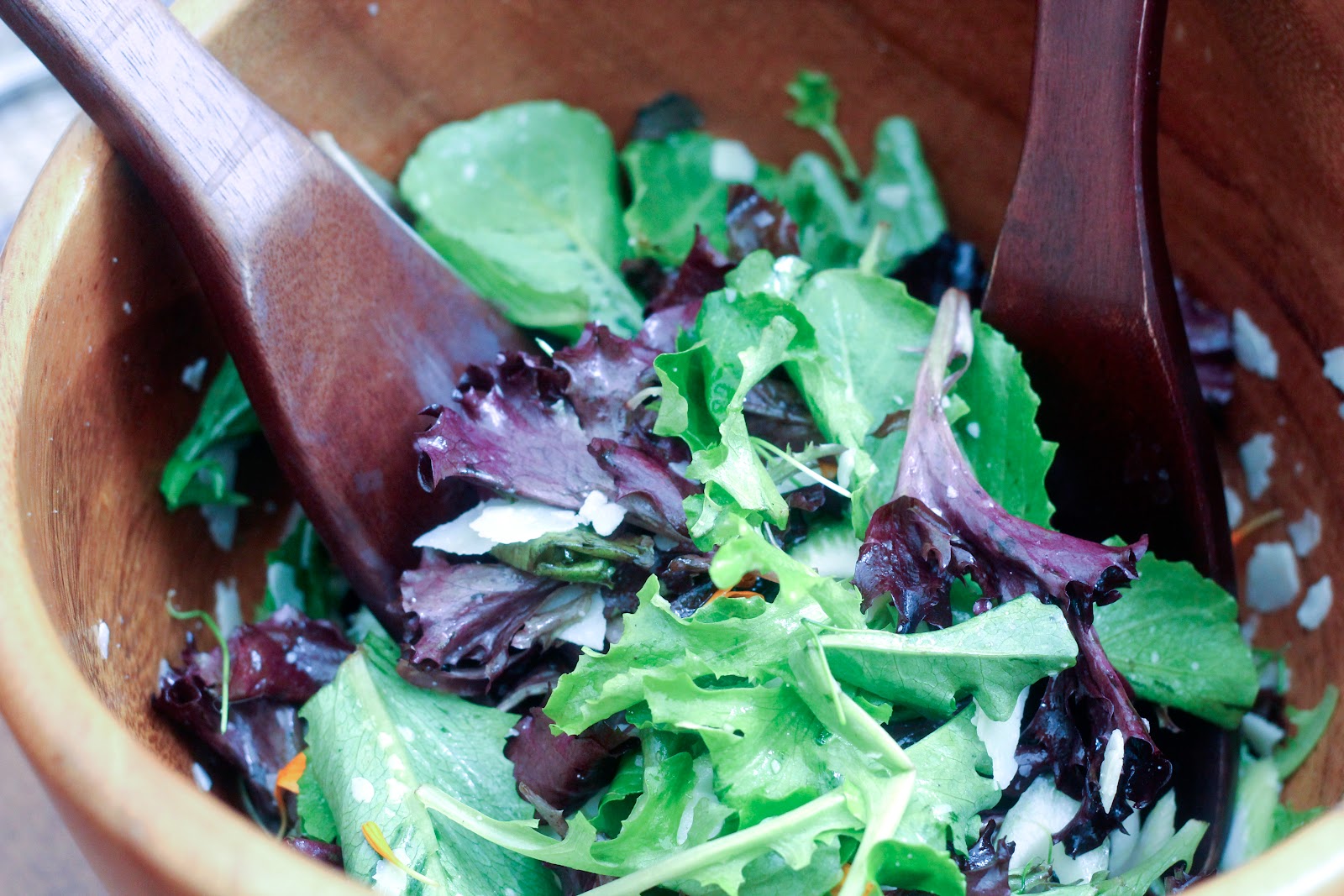
After a Saturday morning stroll though the Union Square Green Market, Mark came over Sunday afternoon with his boyfriend Jeffery and a bottle of Prosecco. He proceeded to take us through a classic and insanely simple rustic Italian dish - Pappa al Pomodoro, or stale bread and tomato stew. The stew highlights one of our favorite secret weapons for getting through the winter - canned tomatoes. After making a thick tomato stew from our can of choice (we just love the local Jersey Farms Crushed Tomatoes) we threw in big chunks of perfectly golden, just-toasted stale bread and let the magic happen. For an added kick, we topped the stew with a single raw Flying Pigs egg yolk - a yummy addition, but certainly optional for hard-core vegetarians. To fill out the meal, Mark slowly cooked some Cayuga Pure Organics Polenta with homemade vegetable stock, topped with Cowgirl Crème fraîche, Two Guys micro-scallions, and roasted mushrooms and, to cut the heaviness, a light green salad with celery and Parmesan. 

Huge thanks to Mark for cooking such a perfect winter meal. We can't wait to have you and Jeffery back!

Pappa al Pomodoro

+ 1 loaf rustic white bread (fresh or day-old)
+ 1 28-oz. can crushed tomato
+ 1 small red onion, finally diced
+ garlic (8-10 cloves)
+ 1/2 tsp pepperoncino (red pepper flakes)
+ very good olive oil
+ a bay leaf
+ a saucepan of hot stock

1. Preheat the oven to 425ºF.
2. Slice the loaf into approximately 1-in./2-cm cubes. Discard any pieces that are too crusty. (You should have about 5-6 cups of cubes.)
3. Toss the bread with lots of peeled and halved garlic cloves in olive oil on a baking sheet or roasting pan. Bake until golden brown, but before garlic scorches.
4. In a large saucepan or sauté pan with a tight-fitting lid, add the diced red onion and pepperoncino to a couple tablespoons of olive oil, cover, and poach the onions over very low heat.
5. When the onions are soft and just beginning to color, add the entire can of tomatoes with a few ladlefuls of stock and a bay leaf. Season with salt to taste. Stir frequently, simmering the sauce over medium low heat.
6. Add the croutons to the tomato mixture, stirring frequently. Add stock as the bread absorbs it to maintain the stew's consistency.
7. Keep stirring and adding stock as necessary until the croutons soften and break apart - about 15 minutes.
8. You may leave the stew as is, or remove the bay leaf and purée it totally or part way with a foodmill or immersion blender.
9. To plate, ladle a generous portion into a shallow bowl, and drizzle with olive oil. You may top it with shaved cheese, chiffonade of basil, or an egg yolk, e.g.

12/2/11

Recipe: Pappardelle with Ricotta & Squash

When combined, certain foods become a holy and amazing force. Peanuts and chocolate... cheese, ham, and mayo... brussels sprouts, bacon, and apples... ricotta, winter squash, and sage... The latter, Silka has been jonesing for pretty consistently over the last few weeks. First we tried to satiate the craving with a pizza. We bought dough at Eataly, picked up some delicata, riccota and sage from the market and put it all together. But it just wasnt enough. The ingredients were overwhelmed by the dough, the delicata wasn't quite right and the piney flavor of the sage wasn’t pronounced enough. 

Never to give up on a culinary dream, we decided to try again but this time stripping it down to the essentials. After realizing that we needed something simple like pasta as a base, we got more fresh ricotta, sage, and a butternut squash. We roasted the squash in large chunks with butter to bring out it's full umami and we fried the sage, filling the kitchen a woodsy smell. When we mixed it all together - the ricotta just melting, the squash breaking down with the crunchy sage, the al dente pasta's water thickening everything up a little - we knew we'd finally gotten it right!

Pappardelle with Ricotta & Squash 

+ ¾ lbs fresh pappardelle
+ 1 lb fresh ricotta
+ 1 medium butternut squash, cut into 1-inch chunks
+ 2 tablespoons butter
+ 1 large bunch of sage (or 1 loose cup)
+ vegetable oil
+ salt and pepper

1. In a large roasting pan, spread the squash out in one layer. Dot with butter, sprinkle with salt, and roast at 400 degrees for about 1 hour.
2. In an unheated heavy duty pan, pour the vegetable oil so it is about ¼ inch deep. Place pan on high heat and let heat up for a minute or so. Put about half of the sage in the oil and let sage fry for about a minute. Remove the sage and put it on a paper towel to drain. Repeat with remaining sage.
3. Boil salted water for the pasta in a large pot and cook pasta to the package's directions. When cooked, drain the pasta and put in serving bowl. Toss with the fried sage, roasted squash and ricotta. Salt and pepper to taste.